

Founder’s note
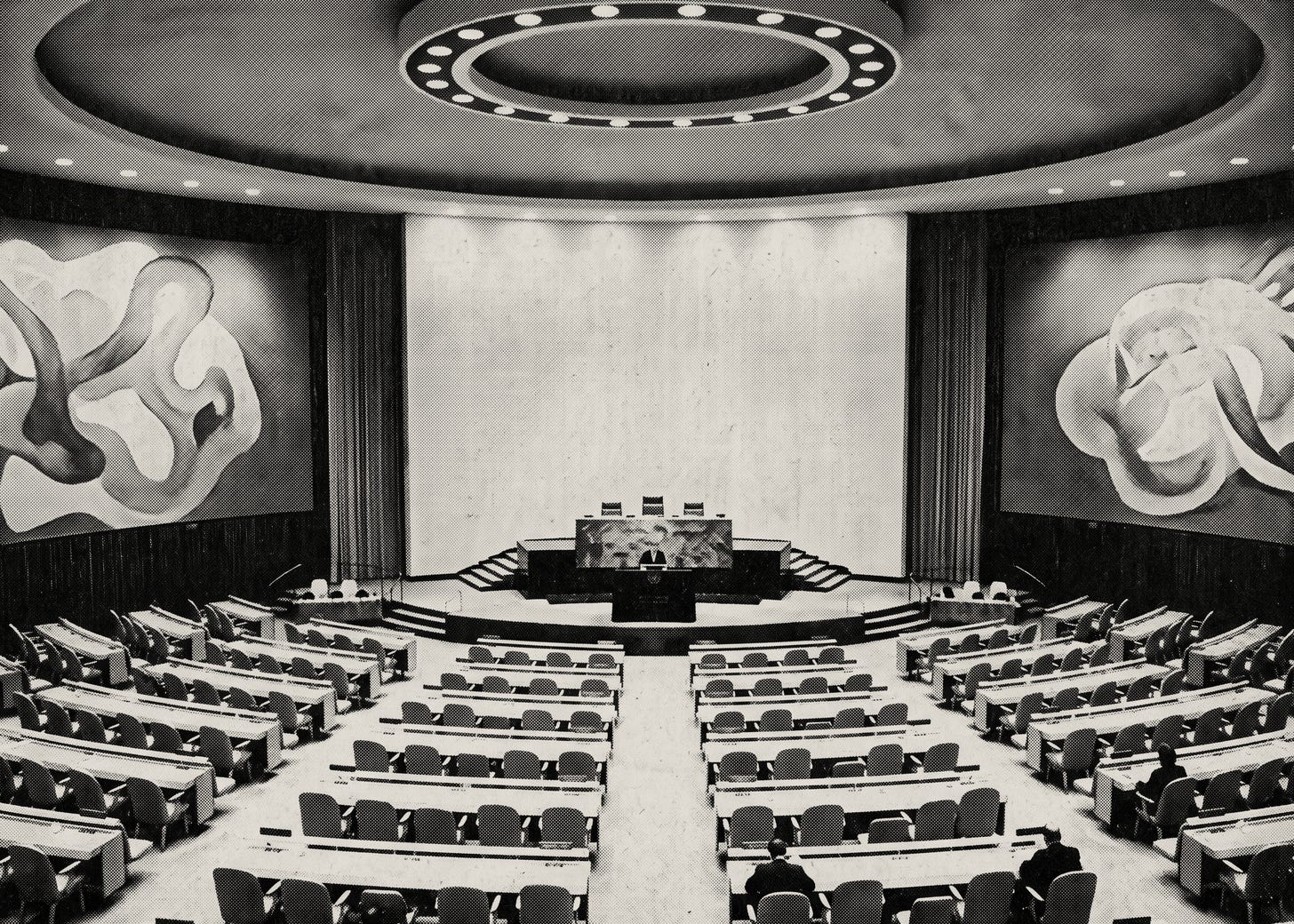
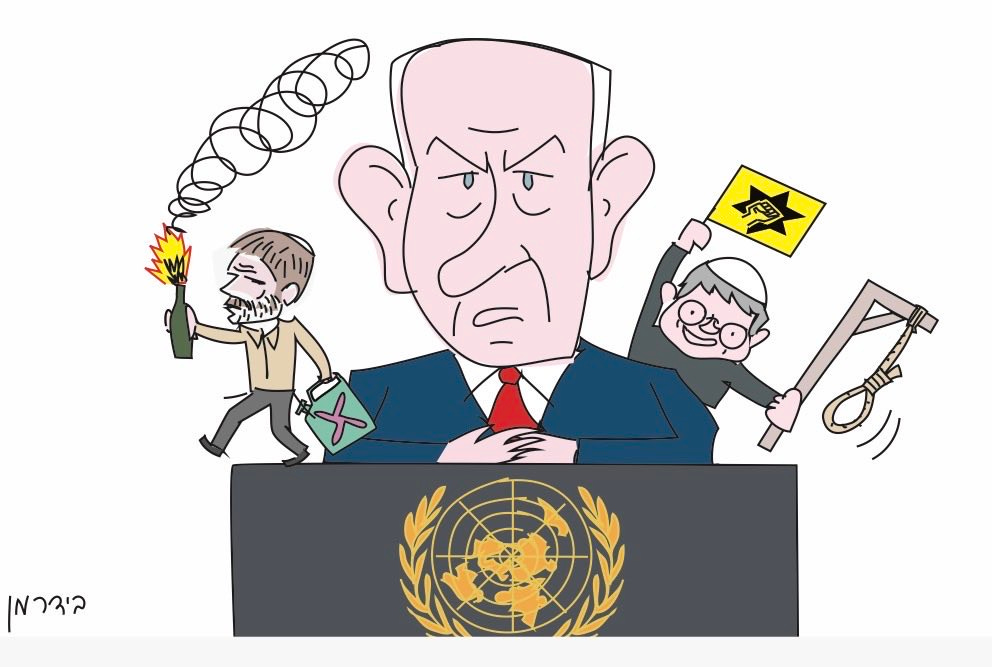
Last night Netanyahu went up to the podium at the UN, and before he’d said a word, hundreds of diplomats got up and walked out of the hall.
He gave his speech to those who stayed, and I thought it was a great one. He told them what Hamas did on October 7th, the worst slaughter of Jews since the Holocaust. He explained why we had no choice but to strike Iran. He called the genocide charge against us what it is, a lie, and he stood up for Jews facing antisemitism all over the world. He made the case for Israel. He spoke the truth.
But there’s an old Israeli saying: “It’s better to be smart than to be right.” Being right is all about correctness. Being smart is about what’s effective. And being right, even when it’s put eloquently, didn’t bring a single one of those representatives back into the room.
That walkout wasn’t a one-day gesture. It’s a reflection of Israel’s standing in the international community. Recently, a Pew poll asked people in 36 countries what they think of Israel, and in the typical country two out of three said unfavorable. In Germany, Britain and France, our closest friends in Europe, it was about seven in ten.
America is moving in the same direction. Three years ago, Americans overwhelmingly sided with Israel over the Palestinians, by more than twenty points. This February, more of them sided with the Palestinians than with us. In April, for the first time, a majority of Democrats in the Senate voted to block weapons sales to Israel, and a majority of Republicans under fifty now see us unfavorably too.
And isolation isn’t just a word. It has a price, and we pay it everywhere. In our security, when allies hold back the crucial weapons we need to defend ourselves. In diplomacy, when the votes at the UN stop going our way. In commerce and trade, when deals get frozen and buyers and suppliers look elsewhere. In finance, when investors pull out and banks start pulling credit. In our universities, when research collaborators stop answering. In culture and sports, when our artists and athletes are told they aren’t welcome. On college campuses abroad, where Jewish students have to hide who they are. On the streets of too many cities, where it’s dangerous to speak Hebrew.
So why is it happening? Here at home, there are two answers.
The first is that the world is simply against us. The hatred didn’t wait for anything we did. It has existed for millennia and exploded most recently the moment the war with Hamas started, with anti-Israel marches within days of October 7th, before our army had even gone into Gaza. Those who hold this view argue that no different policy would have helped, and that blaming ourselves only tells our accusers their charges are legitimate.
The second answer starts from ourselves. Yes, the people who protest against us in the streets were never our friends, and nothing we do will change their minds. But they aren’t the ones who’ve been leaving lately. The drop in America’s support didn’t end when the fighting in Gaza mostly stopped. It kept going, among ordinary people who never marched against anyone. Its supporters insist that those Americans and Europeans aren’t reacting to October 7th. They’re reacting to what they’ve seen (or haven’t seen) from us since then.
They point to three things. One is ministers like Ben-Gvir and Smotrich saying what even our closest friends can’t defend, while settler violence in the West Bank makes headlines overseas. They say it’s one of the questions they hear most, and they have no good answers.
Another is that our government never told the world what it wants Gaza to look like after the war. No picture of an end game. So others filled in the answer for us.
And for twenty years we let support for Israel become one American party’s cause, and a cause that belongs to one party is the easiest thing for the other party to walk away from. A Democratic congressman who has stood with Israel for decades said it plainly not long ago. Americans are turning away from Israel, not because of its actions, which they largely view as just, but because of this government and the toxic ministers in it.
Both answers are about who’s right, and each one is right for different reasons. The first is right about the people who hate us. The second is right about the friends who are leaving us. The trouble is that the argument between them has become an excuse for not doing anything. If it’s all antisemitism, there’s nothing we can change. If it’s all Netanyahu, there’s nothing to do until he’s gone. Either way, we get to be right and wait.
Being smart means splitting the problem in two. The hatred that exploded before our army even moved isn’t fixable, and no speech or policy will win over the people behind it. But the friends we’re losing are responding to choices we make. Who sits in the cabinet. What our ministers say out loud. Whether we explain what we’re fighting for and what comes after. Whether our allies can still stand behind us. None of that depends on the world changing its mind first. It depends on us.
Shabbat shalom,
Josh Ben-David
Founder, Daily Lion
Stories we covered this week
Documentary backlash and targeting legitimacy. An Israeli film about military strike algorithms won awards abroad and sparked fierce backlash here. Ministers want to strip the creators’ citizenship, saying they’re subverting national defense during wartime. Investigators say suppressing these testimonies just hides how thousands of non-combatants died.
October trauma challenges ancient High Holiday liturgy. Jewish prayer books have resisted sudden changes for centuries. But confronting the autumn festivals after October tested that restraint. Communities split over authoring new dirges. On Simchat Torah, strict bans on public mourning meant they couldn’t easily balance required celebration with profound grief.
Norway criminalizes West Bank commerce. Norway advanced a law imposing prison time for commercial trade with settlements in the territories. Britain is preparing import bans. Rather than pulling back, Jerusalem barred British diplomats and advanced thousands of new homes. It’s economic sanctions against rapid facts on the ground.
Michigan Democrats endorse Abdul El-Sayed. Michigan’s attorney general endorsed a Democratic Senate nominee whose past rhetoric on Israel alienated many Jewish voters. Supporters argue they can’t let the conservative opposition win. Opponents counter that communal safety and basic recognition of Israel shouldn’t be traded away for party unity.
Robert Kraft drops Macklemore from tour. A stadium owner forced a pop tour to drop its opening rapper over hostile rhetoric regarding Israel. The remaining acts quit in protest. The venue says it’s keeping concerts free of hate speech. The departing performers call it an attempt to police political expression.
Covert intelligence coordination with Riyadh. When Houthi missiles threatened Saudi oil routes, Washington declined Riyadh’s request for direct American strikes. Instead, commanders brokered quiet intelligence sharing directly between Saudi Arabia and Israel. It’s giving the kingdom defensive warning, but leaves Gulf monarchies relying on an informal partnership.
Why Rabat ignores street protests for weapons. Formal normalization between Morocco and Israel rested on American recognition of Western Sahara. But the security relationship dates back decades. The royal palace balances street protests with Gaza aid deliveries, because it’s relying on Israeli air defense systems to counter an armed rival in Algiers.
Striking deep granite facilities requires new munitions. Iran buried its newest uranium centrifuges under solid granite, placing them beyond the reach of conventional bombs. That choice collides with the arithmetic of air defense. Interceptors take years to build. It’s an unresolved choice between risking a regional war or exhausting domestic defenses.
🎧 Listen to in-depth analysis on these stories and more in the Daily Lion app.
State of the art
Thanks for reading! If you enjoyed this newsletter, feel free to support our work by sharing it with your friends.
Daily Lion is a podcast platform for people who want to hear all sides of Israel. We read 80+ reputable publications from the left, right, and center each week and distill the commentary into digestible podcasts on the topics you care about. Learn more about us here: www.dailylionmedia.com
Bibi’s speech focused not only on Israelis, such as his brother fighting and dying for their country, but on the key takeaways for this generation of brave men and women: Resilience and the fact that there is simply no other choice for the survival of not only the Jewish people, but the world because Israel, like it or not, is a shield for imploding nations held hostage by Islamic Jihad crippling them, ironically, the very nations (cowards) who walked out on his speech.
You know, I never heard of that phrase before, but it made me think immediately. It makes a lot of sense. And I like how you tied it into today’s political events.