

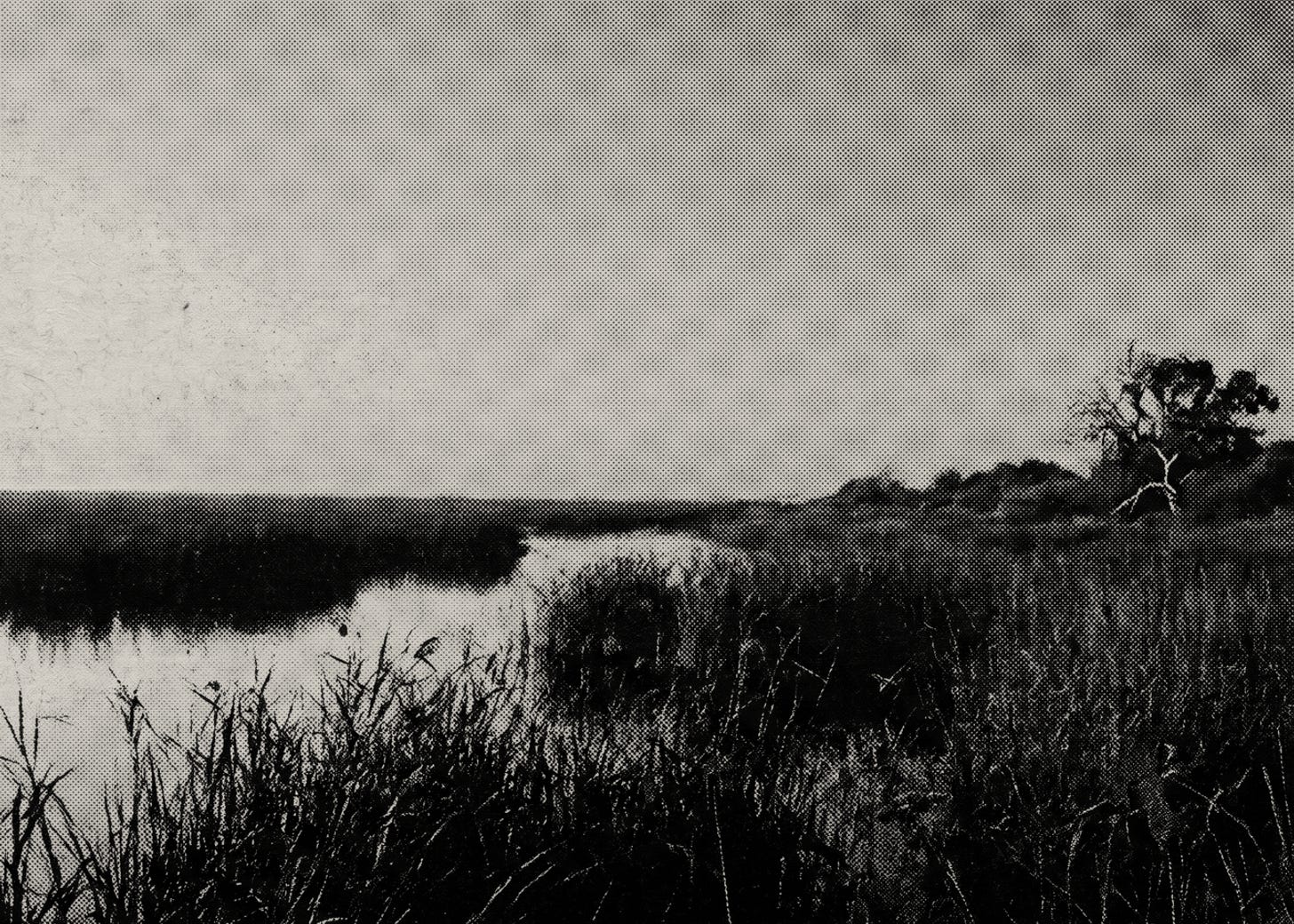
In the summer of 1878, a few Jews from Jerusalem went to look at a stretch of land by the Yarkon River. They brought with them a Greek doctor, an expert in malaria. The story goes that he climbed onto a ruin, looked out over the swamp and saw that not a single bird was flying over it. If the birds stayed away, he told them, the land wasn’t fit for people either.
They bought the land anyway, and they named it “the opening of hope”, after a line in Hosea where a valley of disaster becomes a gateway into the land. Over the next several years, they drained the swamps and stayed. Today Petah Tikva is the fourth largest city in Israel.
I keep thinking about that doctor, because I heard his voice everywhere this week. Ask people about this coming Tuesday and you’ll hear that it doesn’t matter, that nothing will change, that the country is divided and staying that way. Only 40% of us are optimistic about the future of our democracy.
Where does all that gloom come from? The philosopher Micah Goodman put it best. Each camp, he says, is driven by a different feeling, and the two feelings point in opposite directions in time. On the right the feeling is grievance, and it comes from the past. On the left it’s anxiety, and it comes from the future.
The right, as Goodman sees it, is made of several communities, and each one carries its own wounds. For the heirs of Begin’s movement, it’s the shelling of the Altalena in 1948. For the Jews who came from Morocco, Iraq, and Yemen in the 1950s, it’s the transit camps, and the message that their culture was something to be fixed. For religious Zionists it’s the disengagement of 2005, when their communities in Gaza were torn down, and when they protested, they felt the courts had no sympathy for their rights.
Every new clash with the old elites opens the same wound again. That’s why any criticism of Netanyahu does so little to hurt him. His voters hear it as one more attack on them, and it brings them out to vote.
The left’s anxiety looks forward. Its voters look at this government and see their worst fears in one place: ministers they consider racist, partners who reject modern life and the founding principles of the country they live in, and a prime minister on trial for corruption. They see the judicial overhaul not as an earnest attempt at reform, but as the systematic dismantling of the only check on government power. They see a war that never seems to end, and they suspect it goes on because it keeps Netanyahu in power. They see three years without an inquiry into October 7th, settler violence in Judea and Samaria that goes unpunished, and allies abroad who are walking away. And they see their neighbors moving out, in record numbers.
So this government doesn’t look to them like a bad term that will pass. It looks like the broken country their children will inherit, if their children stay at all.
Both camps deserve to be taken seriously. One looks back at what was done to it, and the other looks ahead at what might be done to it. Neither one is looking at what we could build together today. We’ve lost hope.
In Israel, hope has a bad rap. Tell someone you’re hopeful about this country and there’s a good chance you’ll be called naive, or even worse, an optimist. They say hope isn’t “tachlis”, a word that comes from the Hebrew tachlit, or purpose. In Yiddish it became the bottom line, and in our Hebrew it means stop talking and get practical. Hope, in other words, is for people who don’t live in this neck of the woods.
But that’s a misunderstanding of what hope is. Hope is the belief that together we can make the world better. That kind of hope is the most tachlis thing in our history. The founders of Petah Tikva knew about hope. They hoped, and then they dug.
In 1897, after the first Zionist Congress in Basel, Herzl wrote in his diary that if he said aloud that he’d founded the Jewish state, the world would laugh at him, but that in fifty years everyone would see it. Fifty years and eight months later, Ben-Gurion declared the State of Israel.
Even our national anthem is a call for hope. In Ezekiel, the exiles say their bones are dried up and their hope is lost. Hatikvah answers them. Our hope is not yet lost.
Hope isn’t naive. It means wanting something better than what we have and working toward it, and that’s all Zionism ever was. Without it, there’d be no swamp drained by the Yarkon and no Jewish state to argue about.
If the polls hold, one in ten members of the next Knesset will come from a family bereaved in this war, on lists across the political spectrum. One of them is Michal Hirsch Negri, whose son Roee fell defending Be’eri. She says Roee always looked at a situation and asked what we can do to fix it. That’s hope, and it’s tachlis.
So of everything we could be cynical about, the vote should be the last. For most of our history, Jews lived under kings and czars who never asked us anything. On Tuesday, we get to choose the next leaders of the one and only Jewish state.
Before you vote, try something. Picture the Israel you actually want, the one you’d want your grandchildren to grow up in. Then vote for whoever gets us closest to it.
A ballot won’t build that country overnight, but it’s the first tachlis step in that direction.
Shabbat shalom,
Josh Ben-David
Founder, Daily Lion
On the pod
Check out the first episode of the Daily Lion podcast. I’m new to this, but you gotta start somewhere. Over time it will get better, and I’ll get a proper microphone!
State of the art
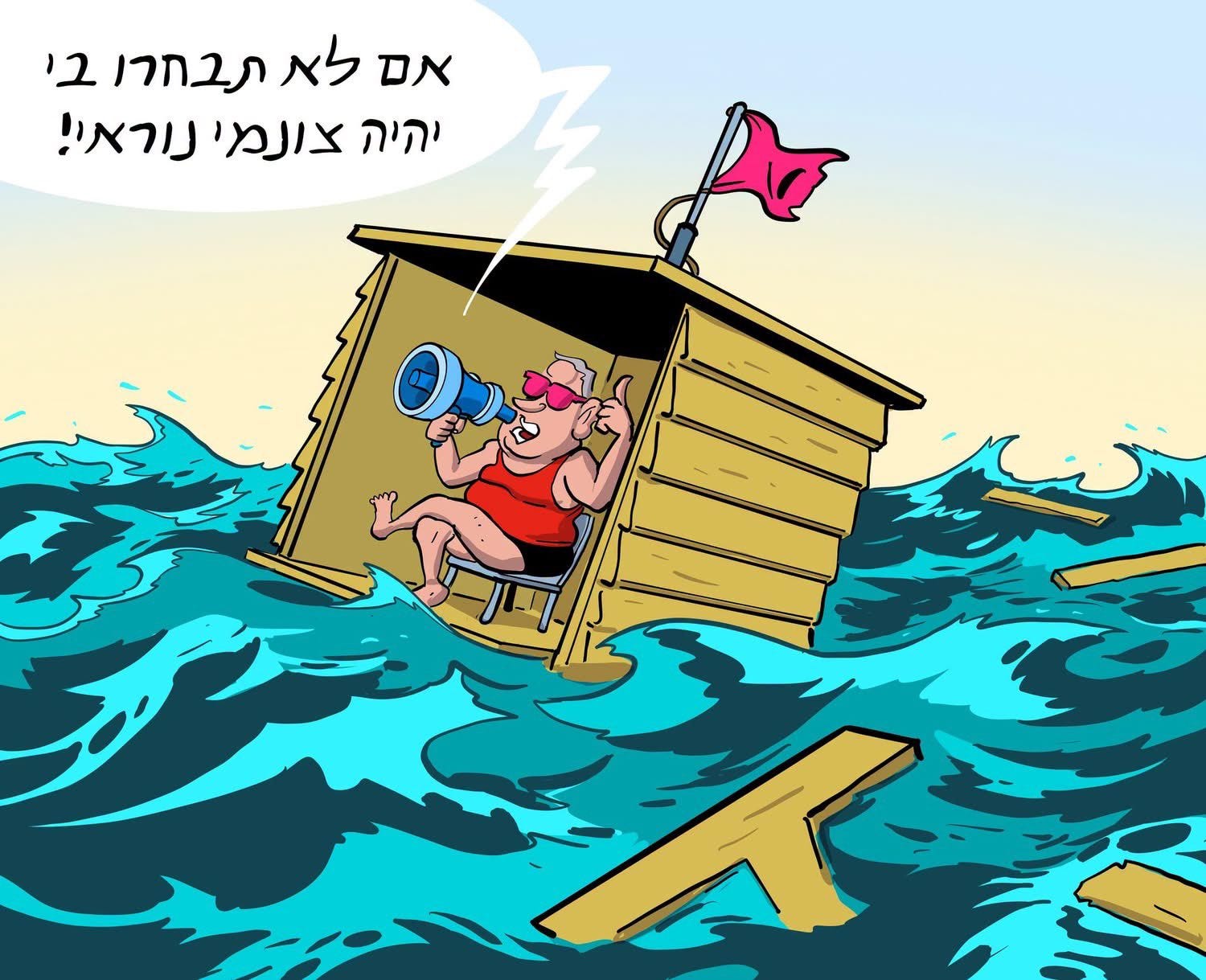
Daily Lion is a media platform about Israel and the Jewish people that takes the most important stories of the moment, and lays them out how the left, right, and center see them. Then we add our own perspective and let you decide. Learn more about us here: www.dailylionmedia.com